IPJO 15 – Introduction to the Planning of Joint Operations course
IPJO 15 – Introduction to the Planning of Joint Operations course
17 Jún
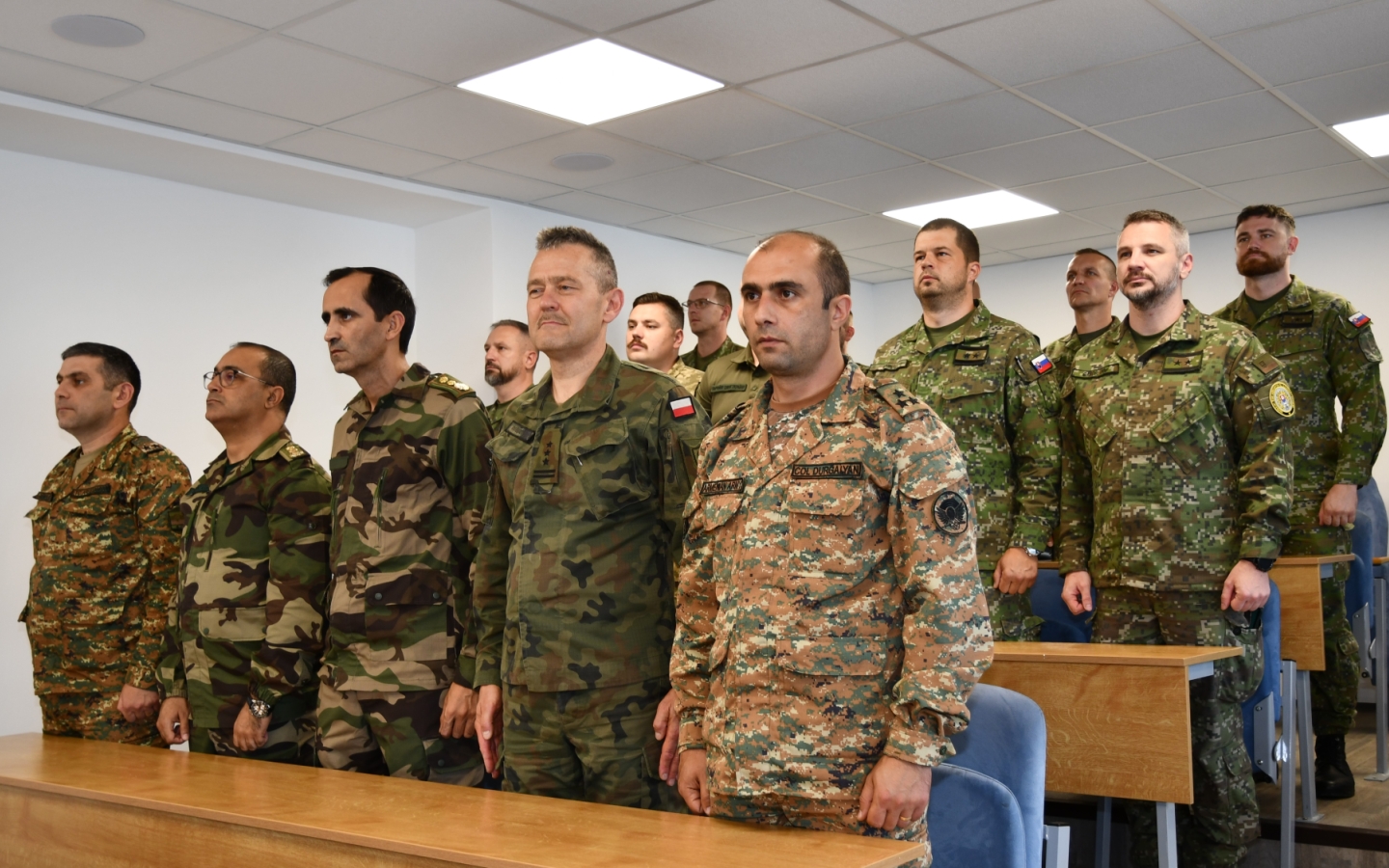
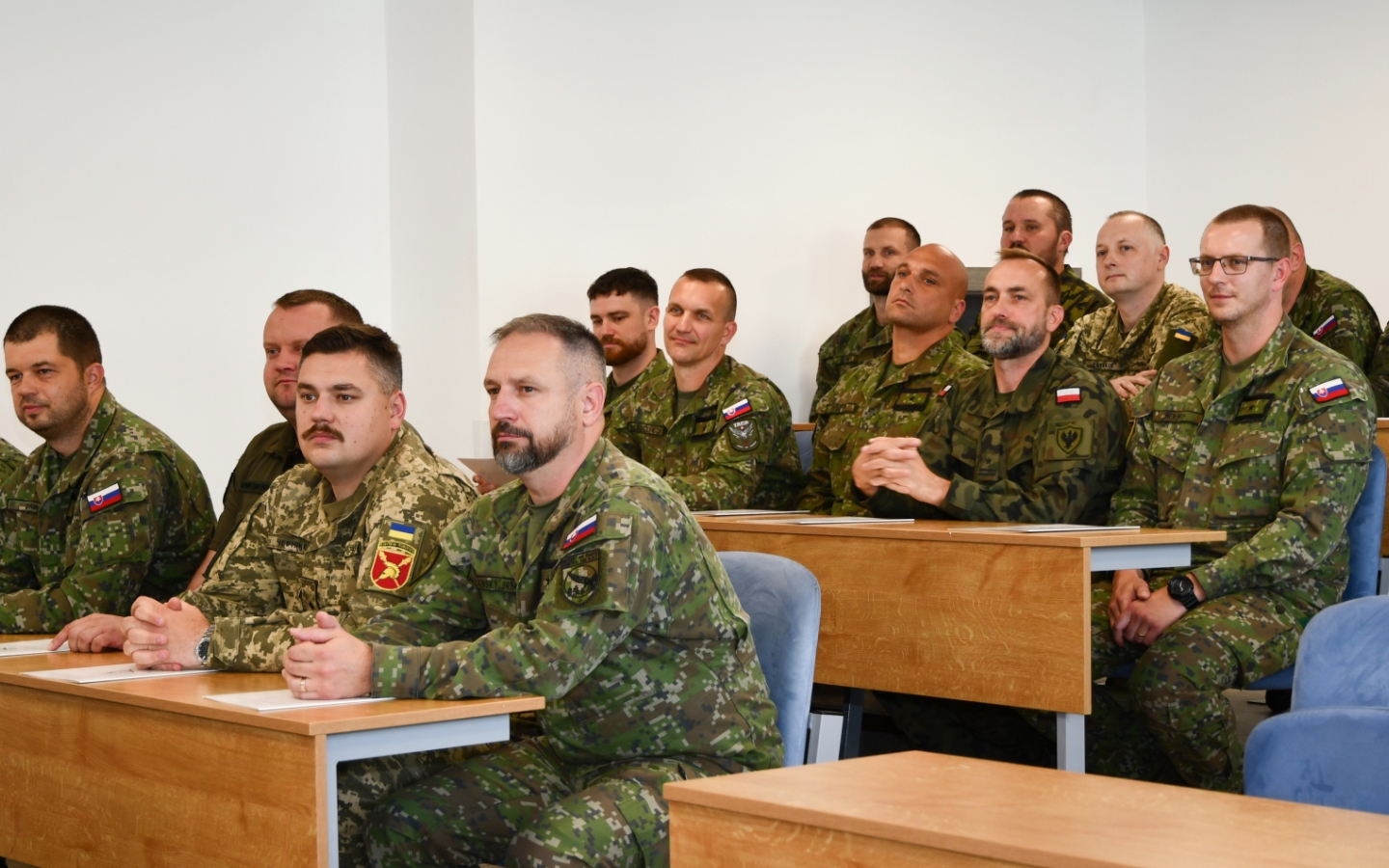
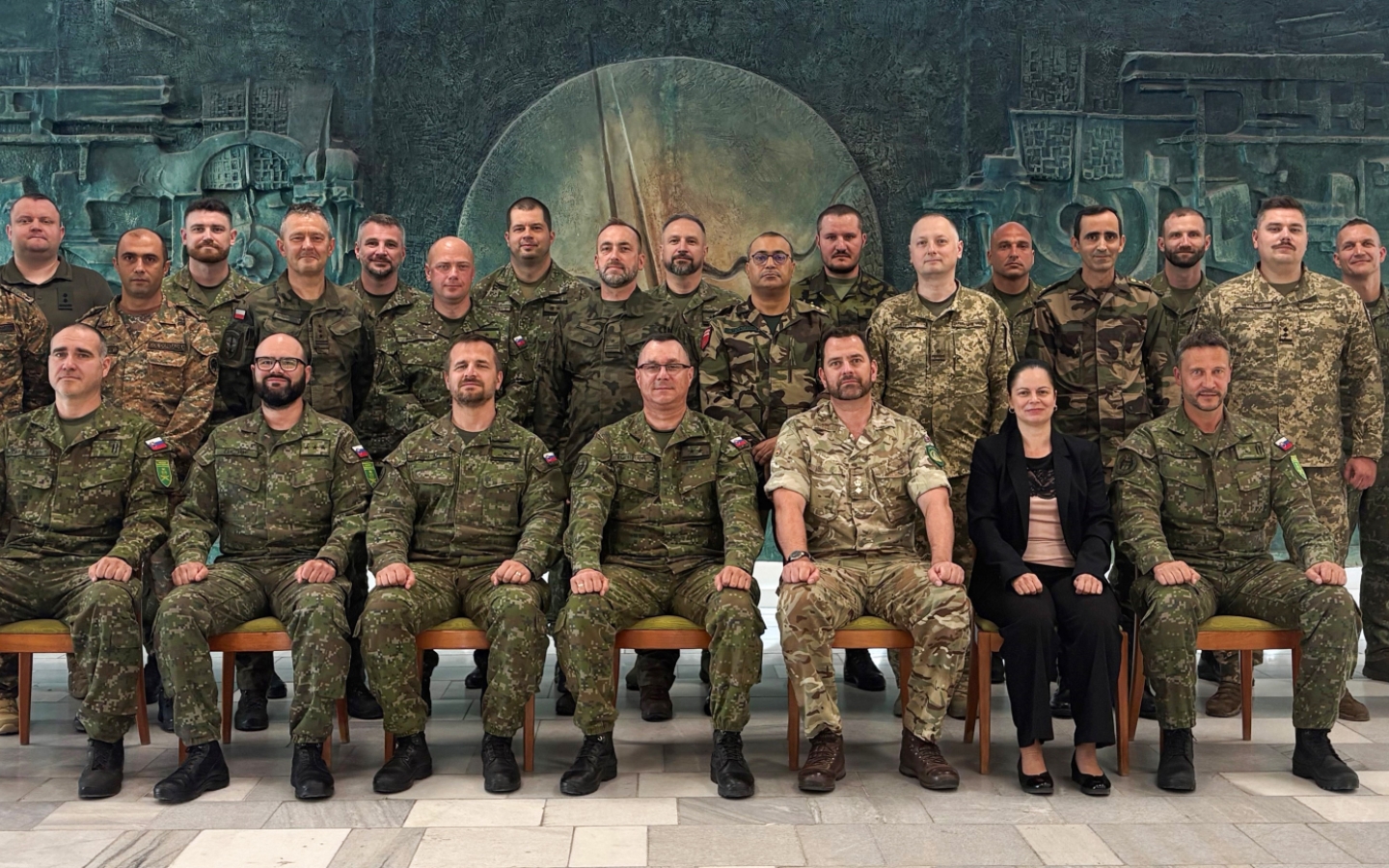
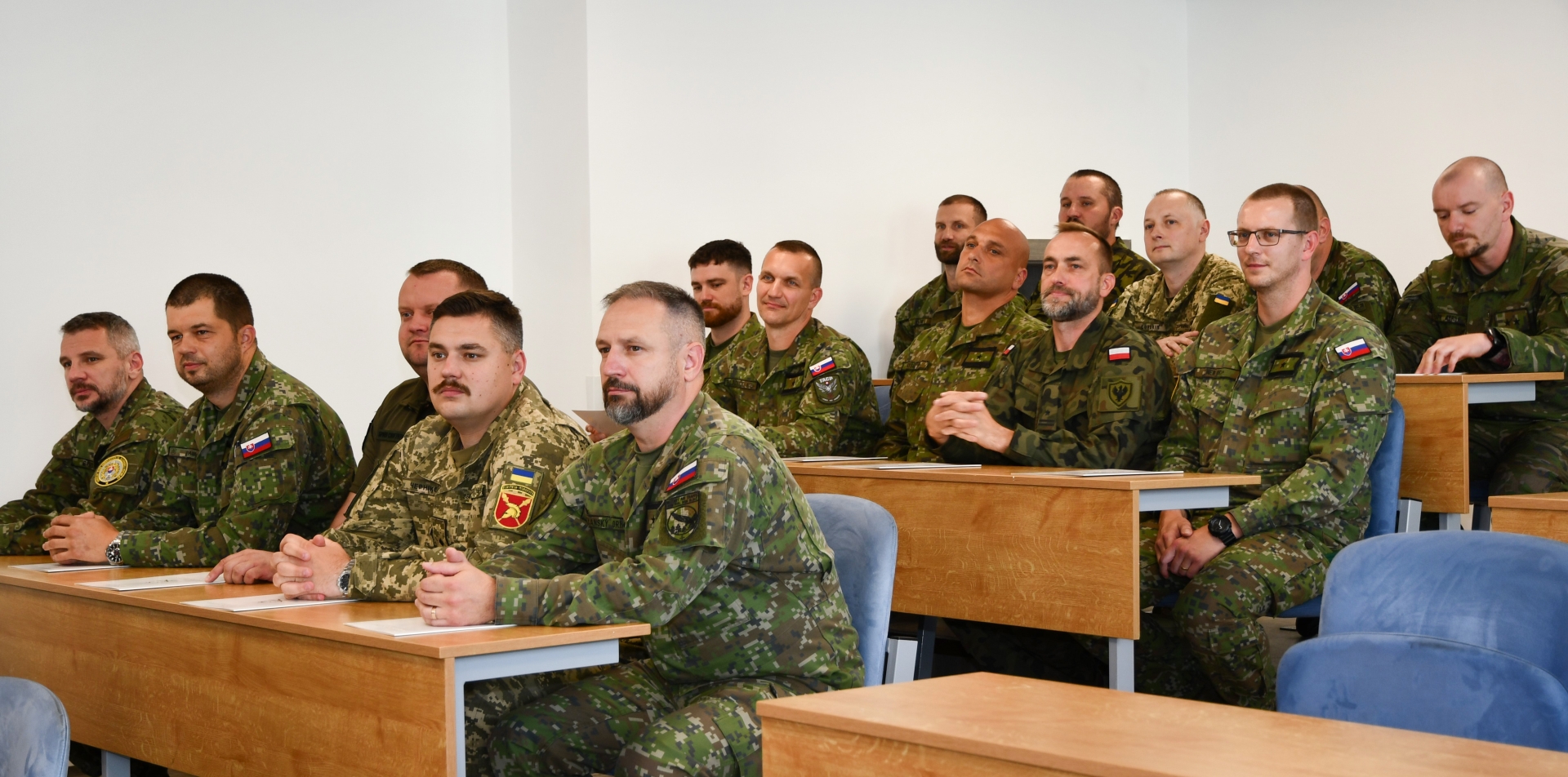
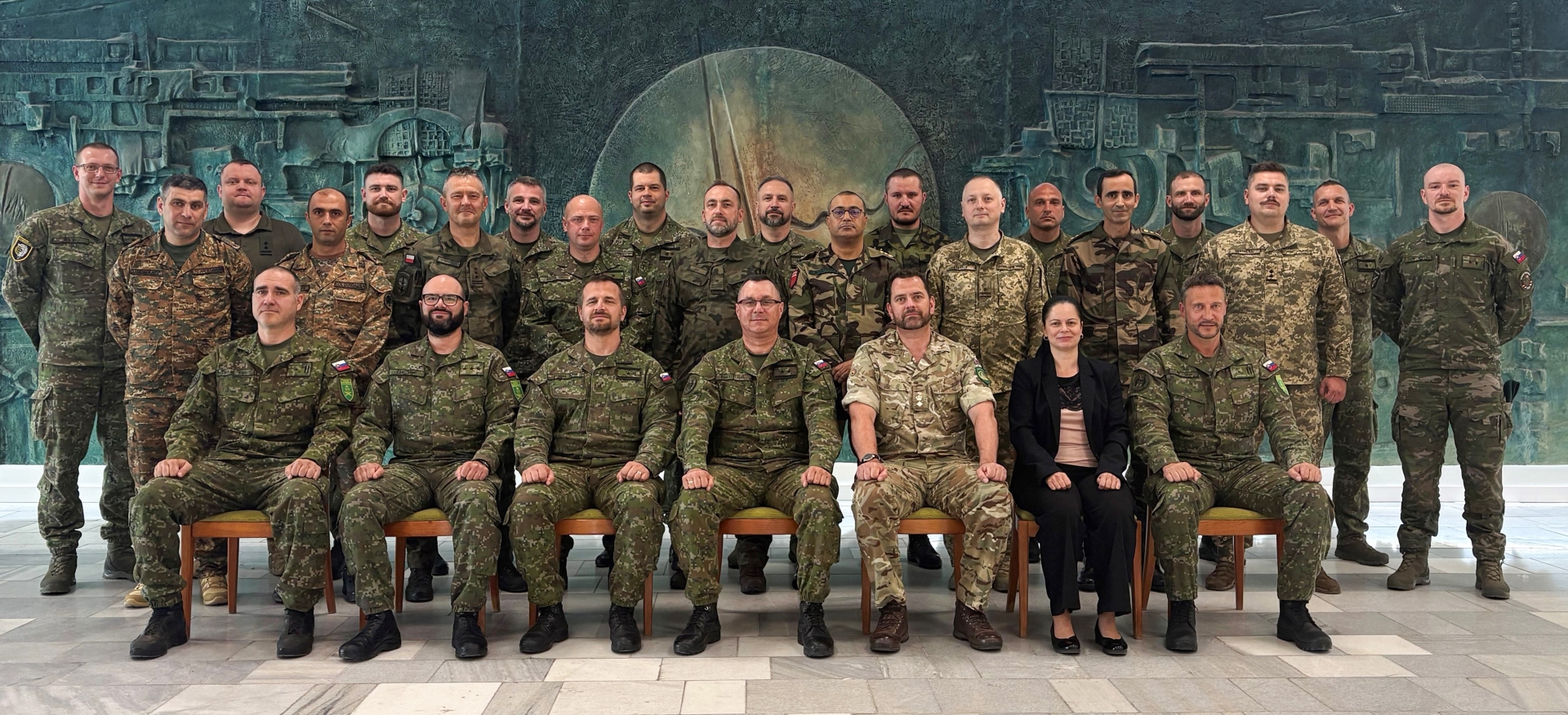
During the week June 8th – 12th, 2026, twenty officers from six NATO and partner nations – Armenia, Czech Republic, Morocco, Poland, Slovakia, and Ukraine, have come together at the Armed Forces Academy of General Milan Rastislav Stefanik (SVK AFA) with a common purpose: to deepen their understanding of NATO operational-level planning and to enhance their ability to contribute effectively within multinational headquarters.
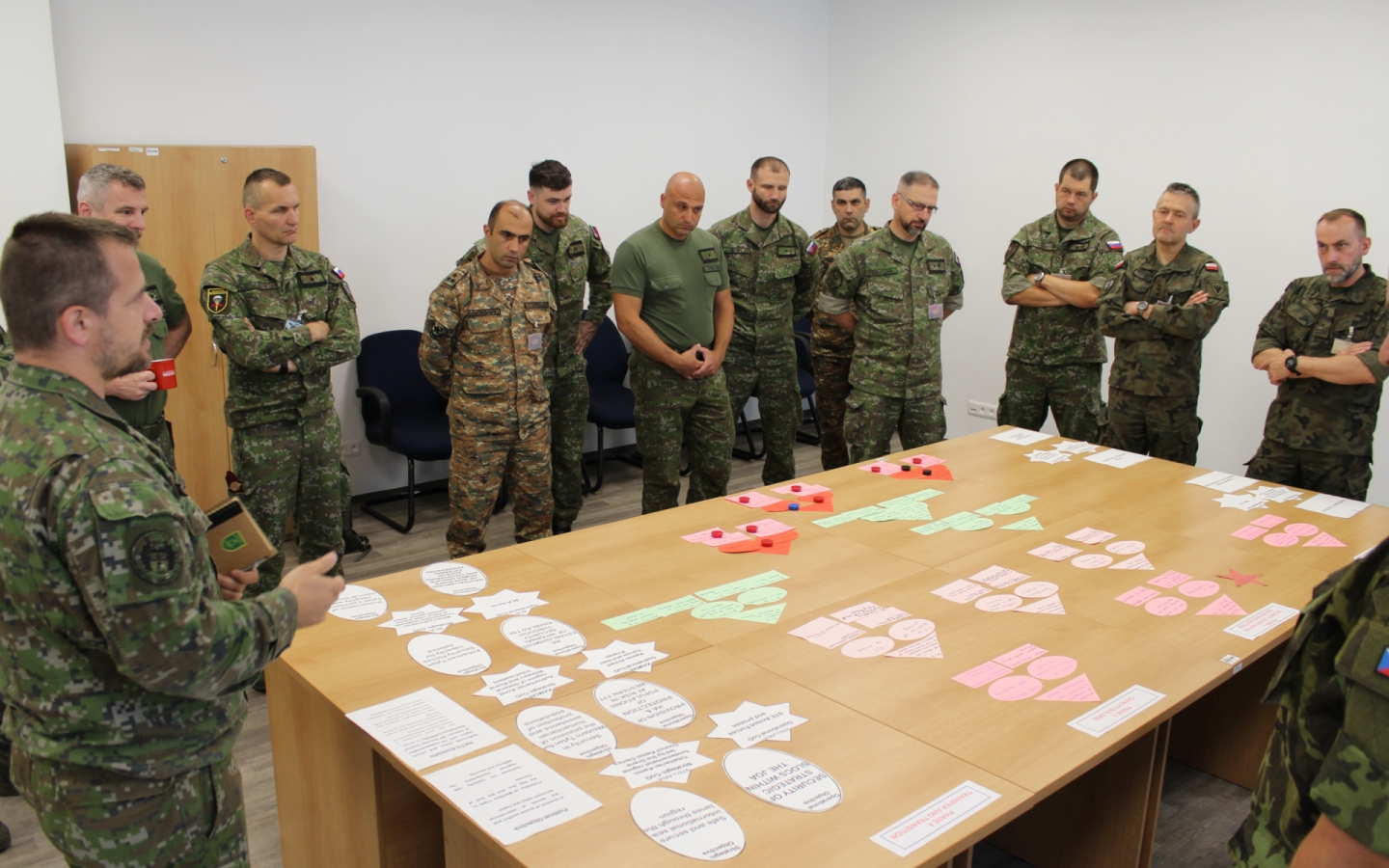
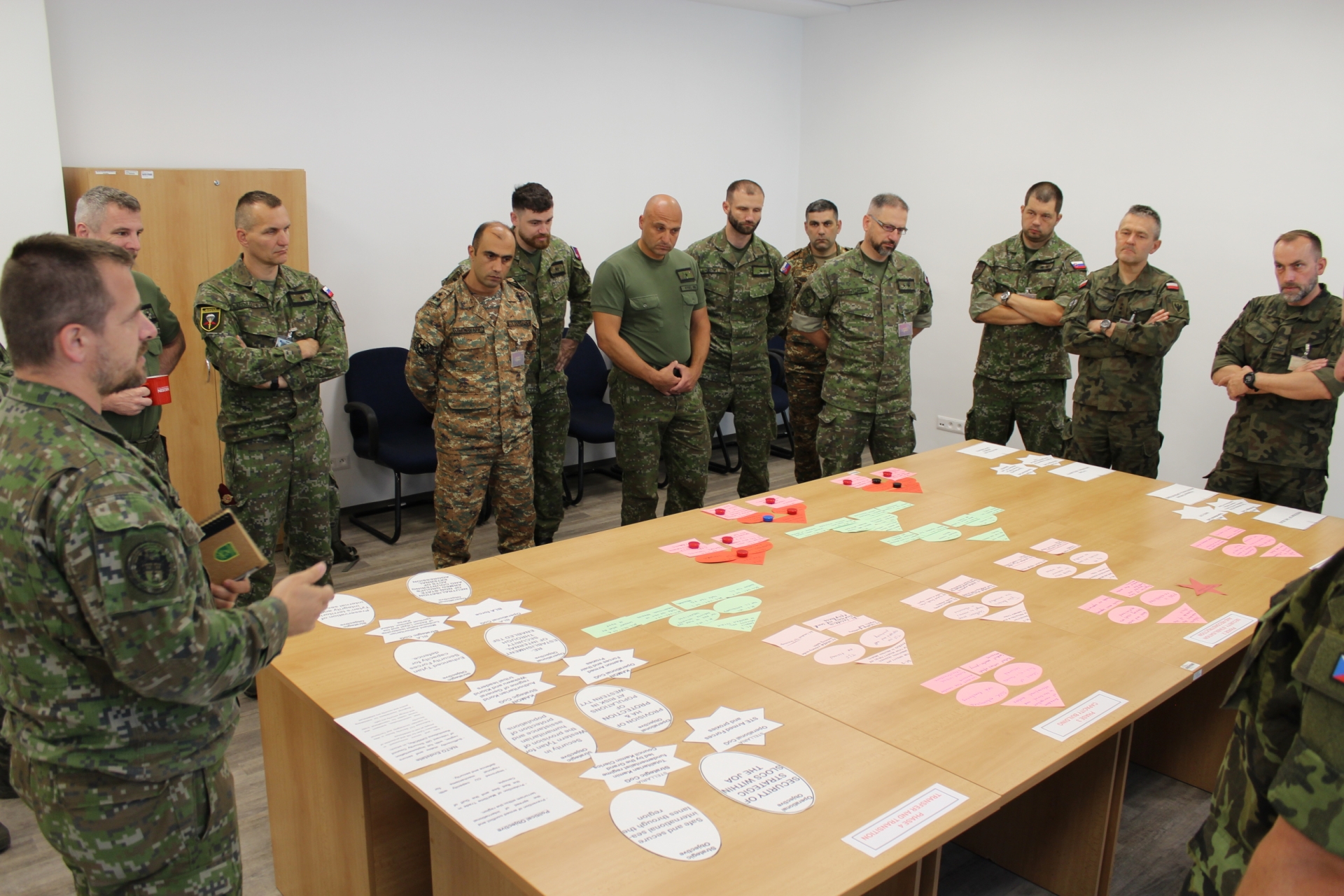
The Introduction to the Planning of Joint Operations Course is designed to prepare operational-level staff officers to contribute to NATO's Operations Planning Process, whether serving in a Joint Headquarters, a Component Command, or within headquarters designated under the NATO Force Model. Through lectures, syndicate work, practical exercises, discussions, and collaborative problem-solving, the course participants have explored the principles and procedures contained within the Comprehensive Operations Planning Directive – the COPD – which remains the cornerstone of NATO operational planning.
During this course, they were challenged to think critically, work collaboratively, and apply planning principles to a fictional crisis scenario. Acting as members of a Joint Operational Planning Group, they analyzed complex situations, developed planning products, and presented their conclusions through back briefs. These activities required not only professional knowledge, but also teamwork, adaptability, and leadership. The reality of modern security challenges demands exactly these qualities.
Today's operational environment is increasingly complex. Military professionals must be prepared to operate across domains, cooperate with multinational partners, integrate military and non-military instruments of power, and respond effectively to rapidly evolving crises. Success in such an environment depends on officers who understand not only their own national procedures, but also NATO's common planning methodology and the value of collective decision-making.
This fifteenth iteration of the IPJO course was particularly significant. We were privileged to host Lieutenant Colonel James Clarke from SHAPE, the Requirement Authority for the Operations Planning, Operations Assessment and Alternative Analyses discipline. His presence and oversight during the course re-certification process underscore the importance of maintaining the highest educational standards in accordance with NATO's Education and Individual Training Directive and Quality Management System requirements
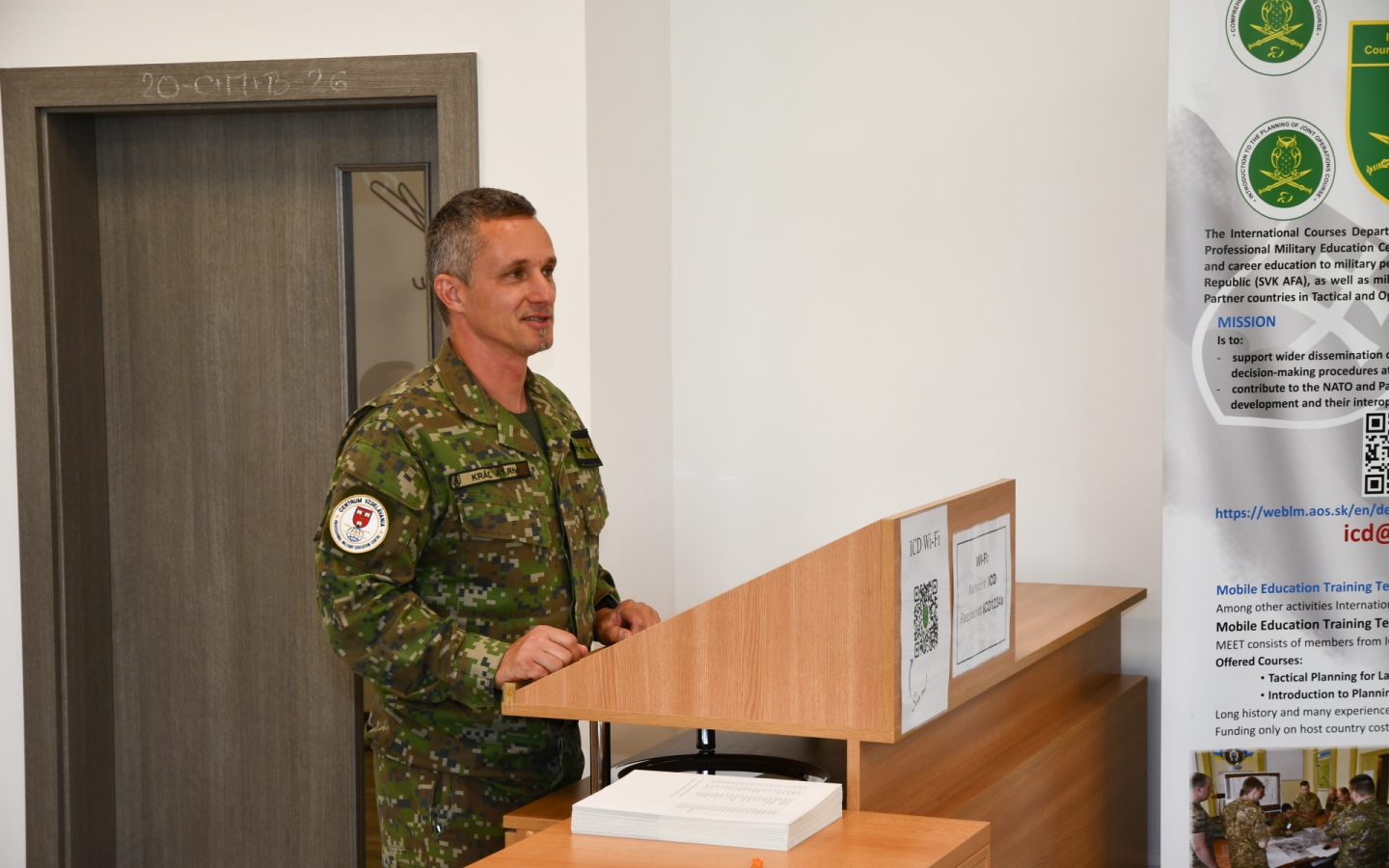
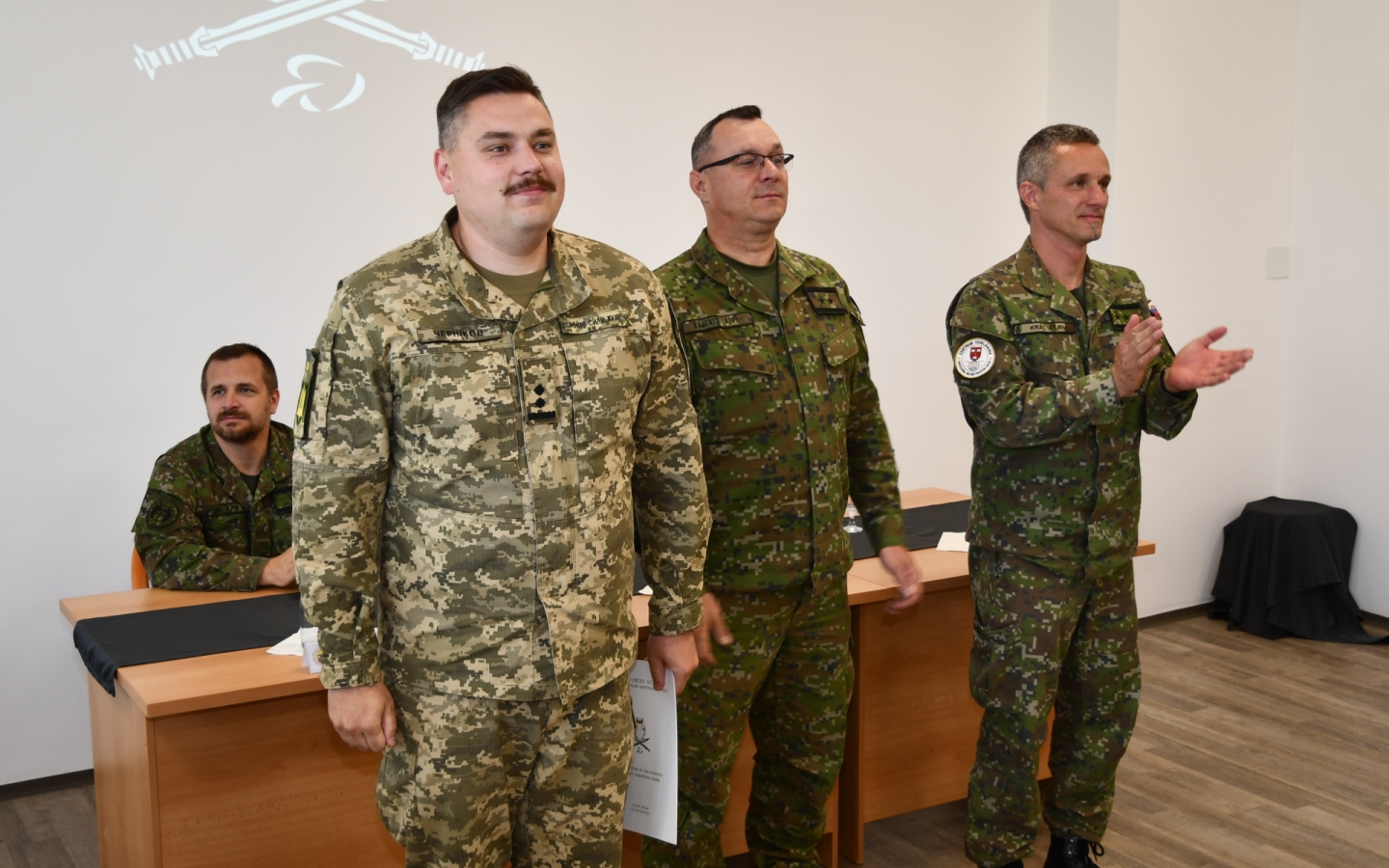
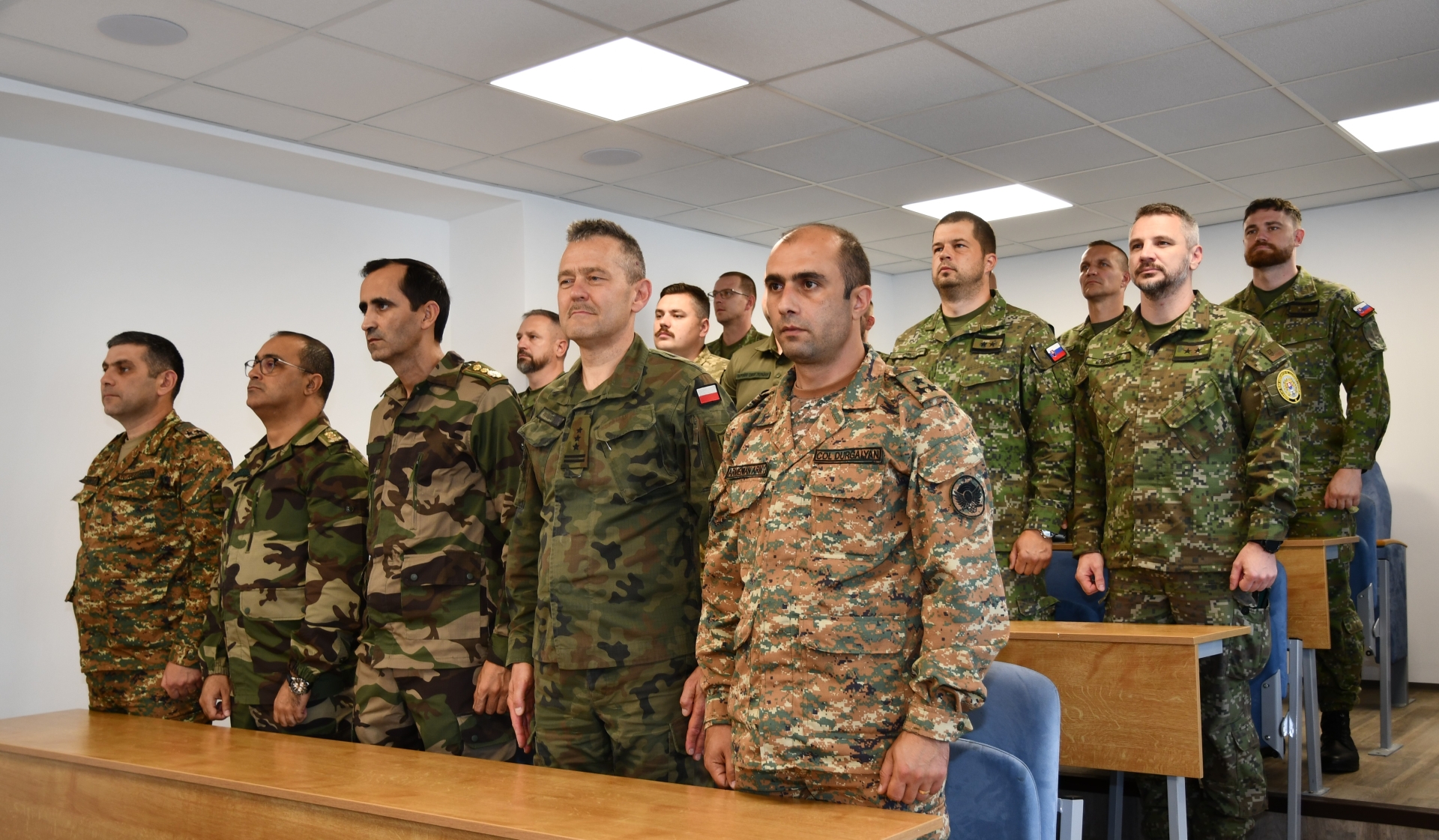
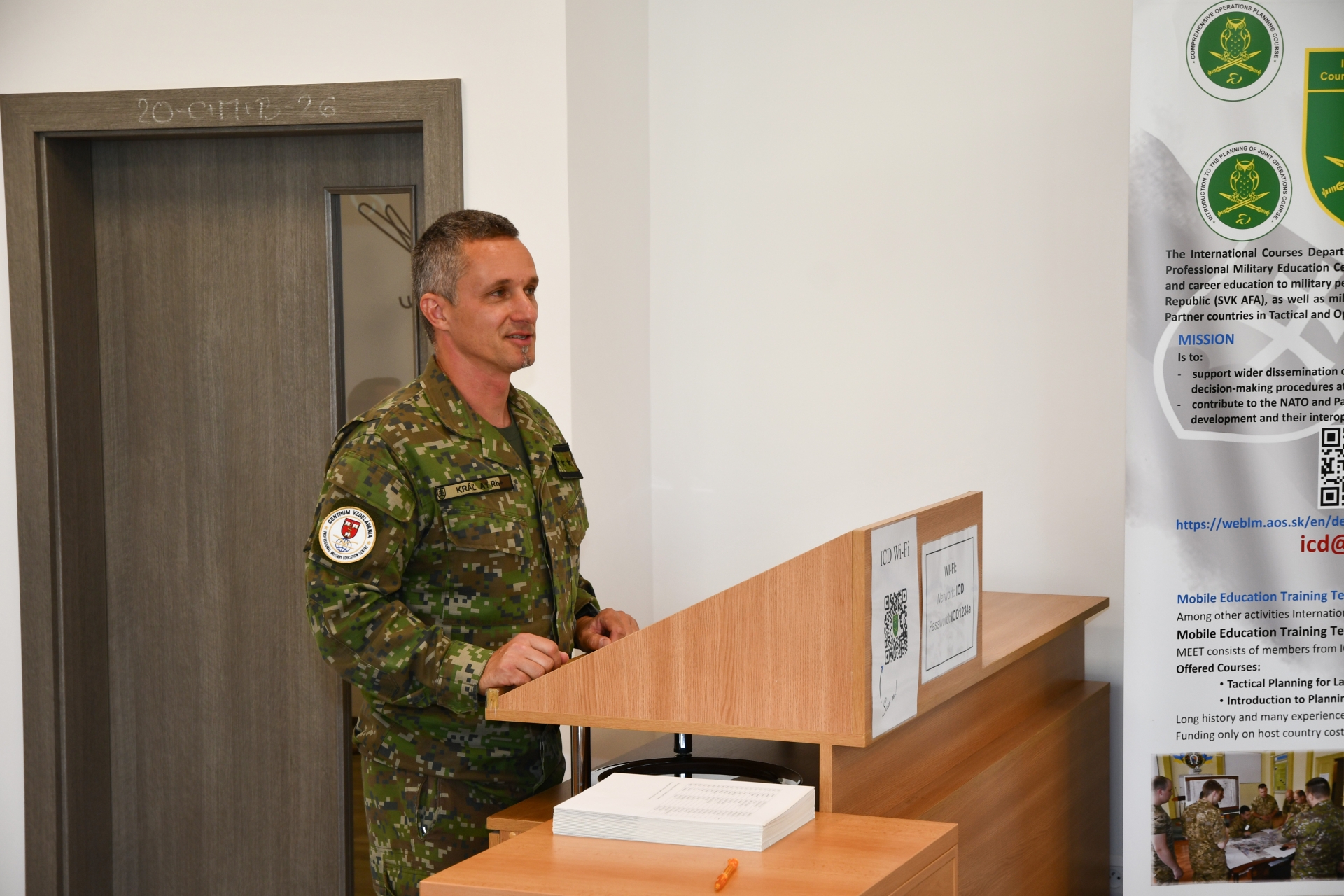
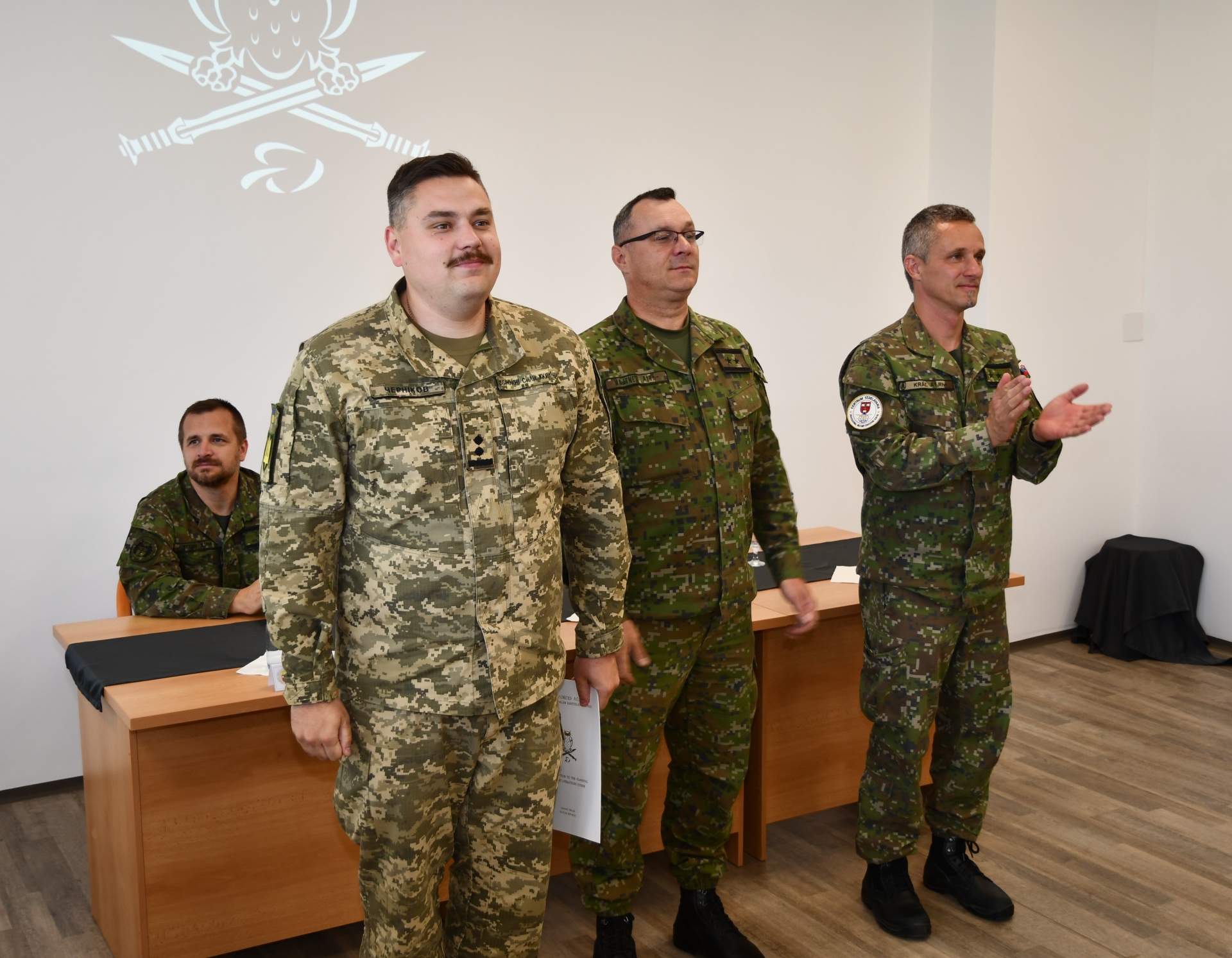
Graduation ceremony took place on June 12th, when Colonel Roman KRAL, director of Professional Military Education Centre of SVK AFA handed over the certificates and gave address to the graduates, during which he also mentioned:
“As you return to your respective nations and commands, you carry with you not only a certificate, but also a shared understanding of NATO planning principles and a network of fellow professionals committed to collective security.”